Meta's AI Data Center Is Getting Its Own Power Grid — 10 New Natural Gas Plants for a Single Facility
Meta's Hyperion AI data center campus in South Dakota will be powered by 10 purpose-built natural gas power plants, according to a new regulatory filing. The energy footprint of a single AI training facility will exceed the total electricity consumption of the state of South Dakota — a milestone that reframes the climate conversation around frontier AI development.

D.O.T.S AI Newsroom
AI News Desk
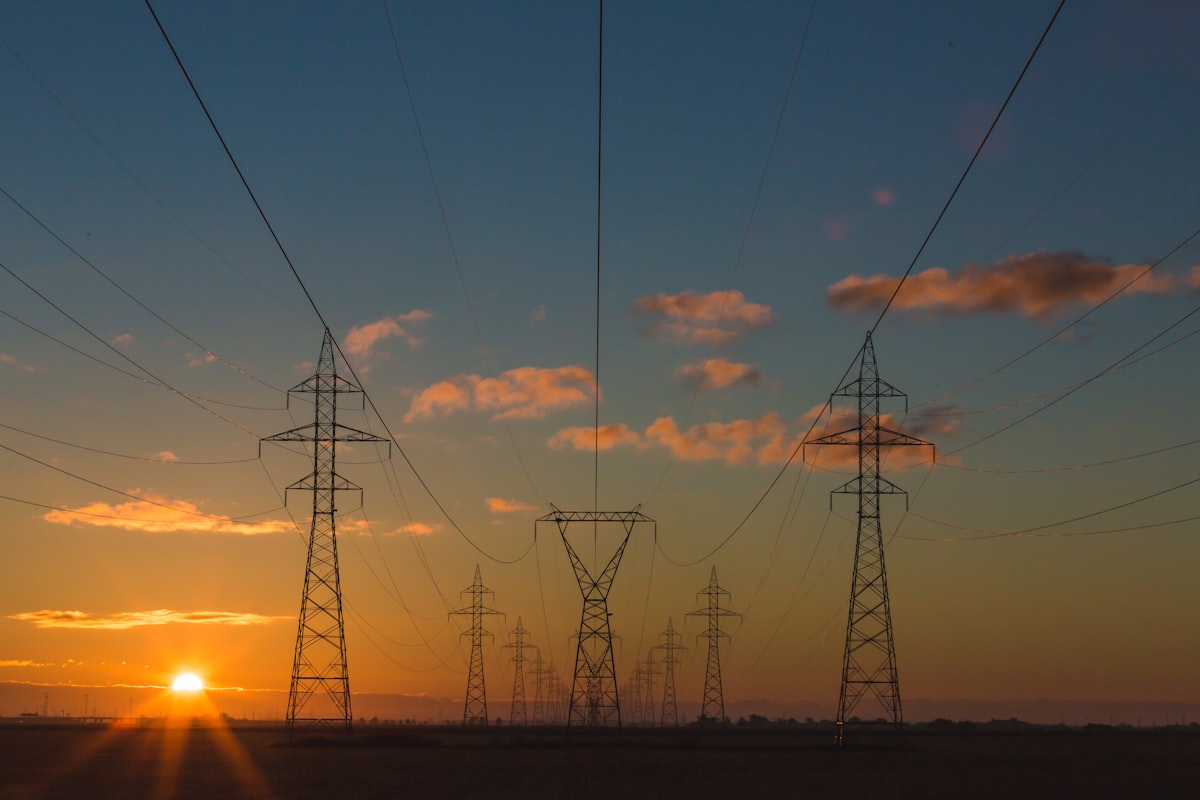
Meta has disclosed in a regulatory filing that its planned Hyperion AI data center — a multi-campus facility in South Dakota — will require ten new dedicated natural gas power plants to meet its electricity demands. The aggregate generation capacity of those plants, according to the filing, will exceed the total electricity currently consumed by the entire state of South Dakota.
The Numbers Are Unprecedented
To put the scale in context: South Dakota's total electricity consumption runs approximately 12–13 terawatt-hours annually. A single AI training campus requiring a dedicated 10-plant natural gas fleet to power it represents a step-change in the energy density of technology infrastructure that has no precedent in the history of commercial computing.
The disclosure arrives against a backdrop of increasingly aggressive AI infrastructure commitments by all major hyperscalers. Microsoft pledged $80 billion in AI data center investment for fiscal 2025. Google committed to $75 billion. Amazon has earmarked $100 billion over the next several years. Meta's capital expenditure guidance for 2025 was raised to $65 billion. These are not iterative infrastructure upgrades — they represent a fundamental restructuring of global energy demand driven by a single application type: AI training and inference.
Why Natural Gas
The choice of natural gas over renewables for Hyperion reflects a fundamental tension in AI infrastructure buildout: solar and wind generate electricity intermittently, requiring either grid-level storage or backup generation to guarantee the 24/7 uptime that large-scale model training requires. Natural gas peaker plants can be dispatched on demand. For a training cluster that needs to run continuously for weeks or months on a single job, the operational certainty of dispatchable generation outweighs the carbon cost in the build vs. deploy calculus.
Meta has publicly committed to achieving net-zero emissions by 2030 and has invested heavily in renewable energy procurement across its existing portfolio. The Hyperion decision suggests those commitments are being stress-tested by the compute demands of frontier model training — a tension the company has not addressed publicly.
The Policy Implication
The disclosure will almost certainly reignite congressional scrutiny of AI's energy footprint, which surfaced briefly during the 2024 election cycle but has not crystallized into specific legislation. The combination of enormous capital commitments, new fossil fuel infrastructure, and water-intensive cooling at AI data centers creates a policy surface area that is increasingly difficult for legislators to ignore — particularly in states where industrial water rights are contested and grid stability is a recurring concern.