Anthropic Launches Claude Design: Prompt-to-Prototype AI Puts Figma's Workflow Directly in the Crosshairs
Claude Design turns natural-language prompts into functional visual prototypes, offering designers and product teams a new path from concept to shareable mockup — and posing a genuine question about where AI fits in the design software stack.

D.O.T.S AI Newsroom
AI News Desk
Anthropic has launched Claude Design, a new product capability that generates functional visual prototypes from natural-language descriptions. The tool allows users to describe a UI, product screen, or marketing asset in plain language and receive an editable visual output suitable for stakeholder review, user testing, or handoff to engineering — without opening a design tool. The launch is Anthropic's most direct move yet into the creative software market and puts the company in direct competition with Figma's recently expanded AI features and Adobe's Firefly assistant.
What Claude Design Actually Does
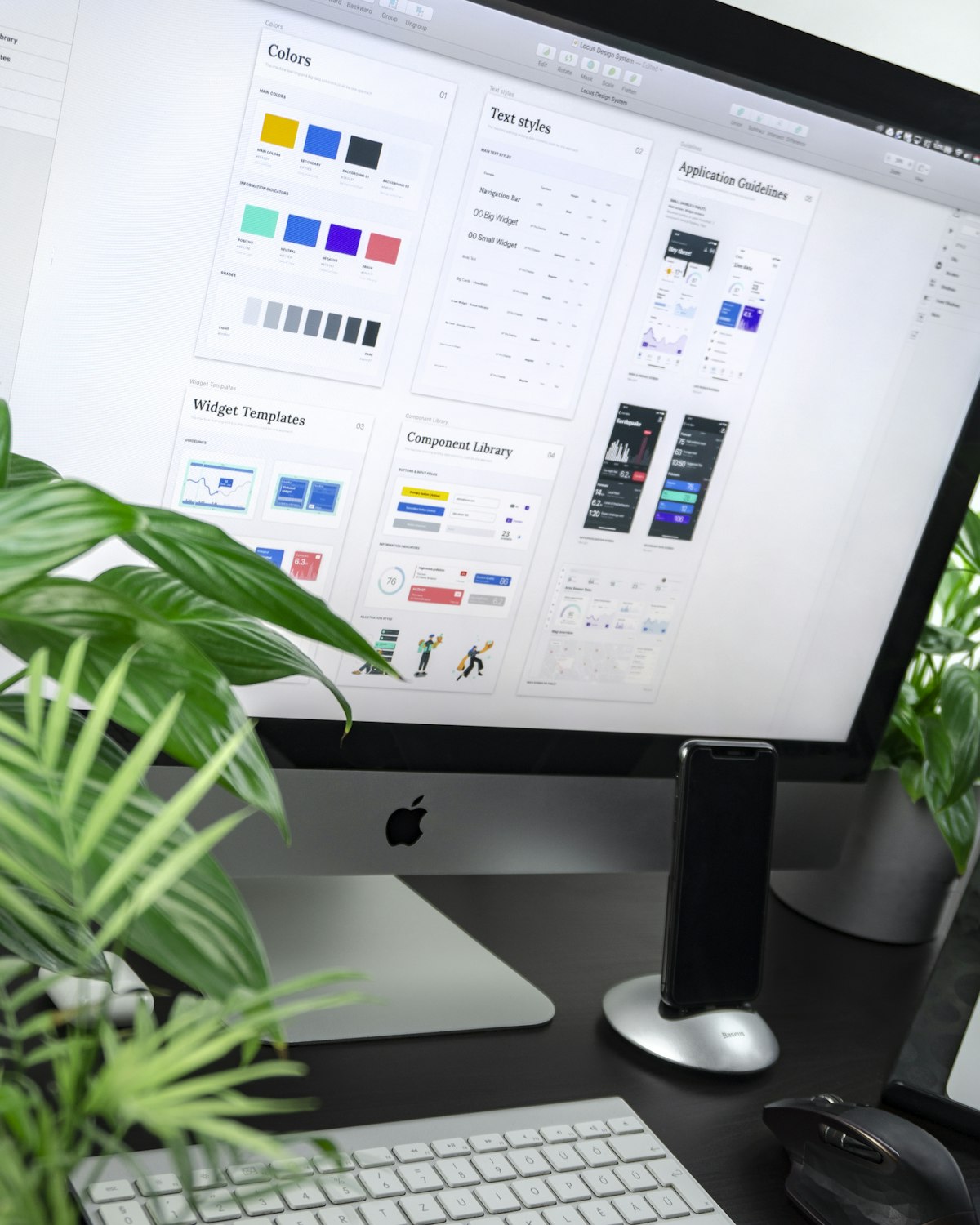
Claude Design's core capability is taking a natural-language prompt and generating a structured visual layout that includes realistic placeholder content, appropriate typography and spacing choices, and interface patterns appropriate to the described context. A prompt like "design a SaaS dashboard for a logistics company showing shipment status, active routes, and exception alerts" produces a mockup with recognizable dashboard conventions, relevant data visualization placeholders, and navigation architecture appropriate to the use case. The output is not a Figma file or Sketch document — it is an HTML/CSS artifact that can be edited directly in Claude Design's interface or exported for further development. This positions Claude Design closer to Framer or v0 than to Figma, though Anthropic has been careful not to explicitly frame it as a Figma competitor.
The Threat to Design Software Incumbents
The category Claude Design is targeting — quick visual prototyping for stakeholder alignment — is one that Figma has historically owned not because Figma is fast at prototyping (it is not, relative to whiteboards or basic wireframing tools) but because the alternative was a blank canvas and a designer's time. If Claude Design can reliably produce "good enough" stakeholder prototypes in minutes from a text prompt, it removes a meaningful use case from Figma's address — the early-stage concept validation work that currently drives many new Figma seats and projects. More concerning for Figma is the enterprise sales motion: if Anthropic bundles Claude Design into Claude for Work subscriptions at no incremental cost, it dramatically lowers the barrier for non-designers to produce visual artifacts, which is the same threat Figma tried to address with its own AI features before its Adobe acquisition fell through.
Where It Falls Short — For Now
Claude Design's current limitations are real. Outputs lack the precision of designer-crafted work, particularly for complex interaction patterns, multi-state UI components, and pixel-perfect specifications required for engineering handoff. The export options are limited compared to Figma's robust developer handoff capabilities. And the tool currently generates static or low-interactivity prototypes rather than the click-through flows that design and product teams use for usability testing. These are gaps Anthropic will likely close iteratively, but for now Claude Design is a rapid concept tool rather than a full design system replacement. The question is not whether it replaces Figma today — it does not — but whether it establishes Anthropic as a credible participant in the creative software market at a moment when AI is restructuring what design software needs to do.