Meta, Microsoft, and Google Are Building Dedicated Natural Gas Plants for AI. Their Own Climate Pledges Are Watching.
Three of the world's largest AI developers are commissioning dedicated natural gas power plants to meet AI data center demand — a direct conflict with their stated net-zero commitments and a signal that AI energy requirements have outpaced the ability of renewable sources to keep pace with growth.

D.O.T.S AI Newsroom
AI News Desk
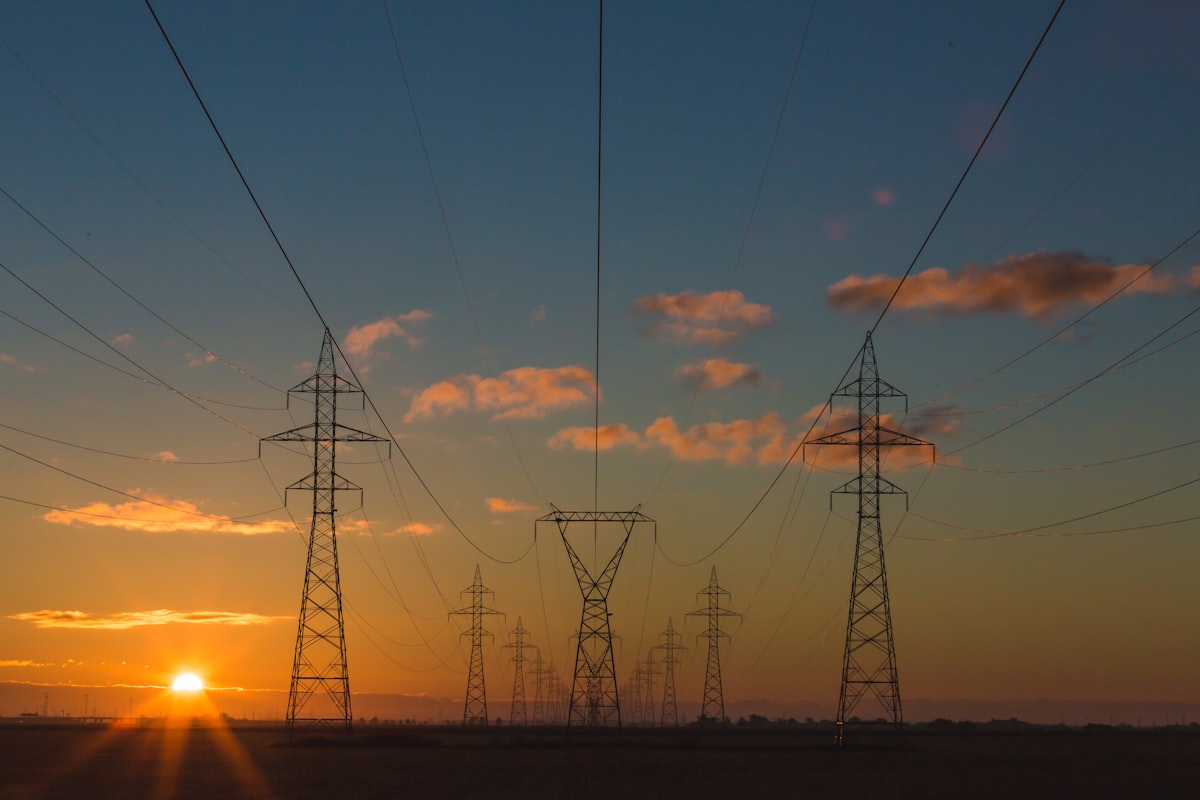
Meta, Microsoft, and Google are all moving forward with plans to build or contract dedicated natural gas power generation capacity to power their AI data center buildouts — a development that puts the companies' climate commitments under direct pressure and raises fundamental questions about whether hyperscaler sustainability pledges were written with AI's energy demands in mind.
The Scale Problem
Training and serving frontier AI models at the scale these companies now operate requires reliable, dispatchable power — energy that is available on demand regardless of weather conditions or grid state. Renewable sources, while increasingly cost-competitive, are intermittent. Solar and wind cannot be ramped up to meet peak inference demand on a hot August afternoon when a viral product feature drives simultaneous usage from hundreds of millions of users.
Existing battery storage technology can bridge short gaps, but the economics of storing enough energy to power a 100-megawatt data center through multi-day low-generation periods remain unfavorable. The practical result is that data center operators committed to guaranteed uptime have limited alternatives to fossil-fueled backup or baseload generation — and the volumes required for AI infrastructure make that a meaningful carbon commitment.
What the Companies Are Doing
Microsoft has signed agreements for new natural gas capacity in several US markets, framed as "transition" power that will eventually be replaced by next-generation nuclear and storage solutions. Meta has moved forward with gas turbine installations adjacent to several new data center campuses in the US South and Midwest. Google, which had maintained the cleanest public posture on clean energy, has acknowledged that its 2030 carbon-free energy goal faces "significant headwinds" from AI infrastructure demand.
None of the companies are publicly describing these moves as departures from their sustainability commitments — all invoke carbon offset frameworks, long-term clean energy procurement agreements, or planned nuclear partnerships as context. Critics note that these qualifications were not prominent features of the original commitments.
The Regulatory and Reputational Exposure
The gap between sustainability commitments and natural gas buildouts creates regulatory exposure in the EU, where corporate sustainability reporting requirements under CSRD mandate disclosure of material emissions and the gap between targets and actual trajectory. It also creates reputational exposure with the institutional investor community, where ESG frameworks have increasingly tied capital costs to credible climate commitments. The companies building gas plants today are making a calculated bet that AI revenue will outweigh the cost of that exposure. Based on current AI growth trajectories, that bet is almost certainly correct — which tells you something uncomfortable about how climate commitments interact with growth imperatives.