Poke Wants to Make AI Agents as Simple as Sending a Text — No App Required
Poke is a new startup building AI agent infrastructure delivered entirely through SMS and messaging platforms, letting users delegate real-world tasks — research, scheduling, purchasing, information retrieval — without installing an app or setting up an account beyond a phone number. The company's thesis is that the most durable consumer AI interface is not the chat interface that has dominated the space since ChatGPT's launch, but the message thread.

D.O.T.S AI Newsroom
AI News Desk
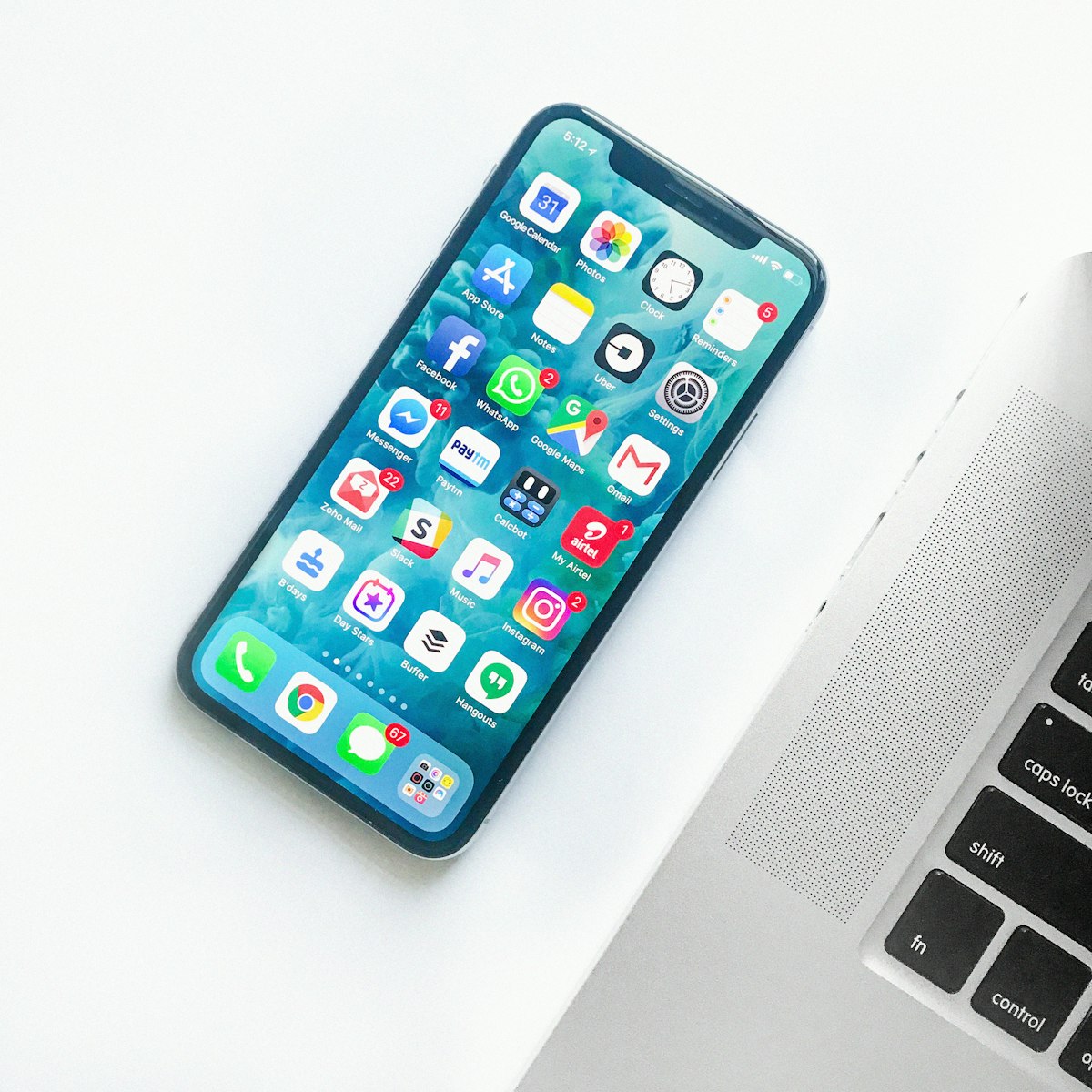
Since ChatGPT's release in late 2022, the dominant mental model for consumer AI has been the chat interface: a two-column conversation window where users type queries and read responses. Poke, a new AI infrastructure startup, is betting that this interface pattern is wrong for most users and most use cases — and that the actual durable interface for AI agent deployment is the SMS thread that every smartphone user already knows how to use.
How Poke Works
Poke operates through a phone number. Users text a request — "book me a table for two at a good Italian place in Soho on Friday night" or "find the cheapest flight from Mumbai to Delhi next Tuesday morning under 8,000 rupees" — and receive a response via text, along with follow-up messages as the task progresses. For tasks requiring payment or account access, Poke uses a one-time-setup flow to connect relevant accounts; subsequent requests in those categories work without additional authentication. There is no app to download and no web interface to navigate.
Under the hood, Poke is running a multi-step agent pipeline that calls external APIs, navigates websites where APIs don't exist, and manages the task state across potentially dozens of steps. From the user's perspective, it behaves like a highly capable assistant who happens to communicate exclusively via text message. The company has built its own orchestration layer rather than relying on existing agent frameworks, which it says gives it better control over latency and reliability in the text messaging context, where users have much lower tolerance for delayed responses than in a dedicated app.
The Distribution Thesis
Poke's founders argue that the primary barrier to AI agent adoption among non-technical users is not capability — it's distribution. The users who would benefit most from AI agents (people with high task volume and limited time, often in emerging markets or in demographics less comfortable with app ecosystems) are also the users least likely to discover, download, and learn a new AI app. SMS bypasses this entirely: there is nothing to install, no account to create in the conventional sense, and the interaction pattern is identical to messaging a person.
This thesis has historical precedent. Some of the most successful consumer technology deployments in markets with lower smartphone penetration have operated over SMS or WhatsApp precisely because of this zero-friction access model. The question for Poke is whether AI agent use cases generate the kind of habitual repeat usage that makes an SMS-native product commercially viable — and whether the convenience advantage over app-based competitors is durable as those competitors improve their onboarding flows. The company has not disclosed its current user numbers or funding details, but TechCrunch reports it is in early-stage venture funding conversations.