OpenAI Ships a Codex Plugin That Runs Inside Claude Code — and the Move Says Everything
OpenAI has released a plugin that embeds its Codex AI coding assistant directly inside Anthropic's Claude Code environment. The strategic decision to build for a competitor's platform is a tacit acknowledgment of where the AI developer tools market has moved — and a significant signal about how the coding assistant wars will be won.

D.O.T.S AI Newsroom
AI News Desk
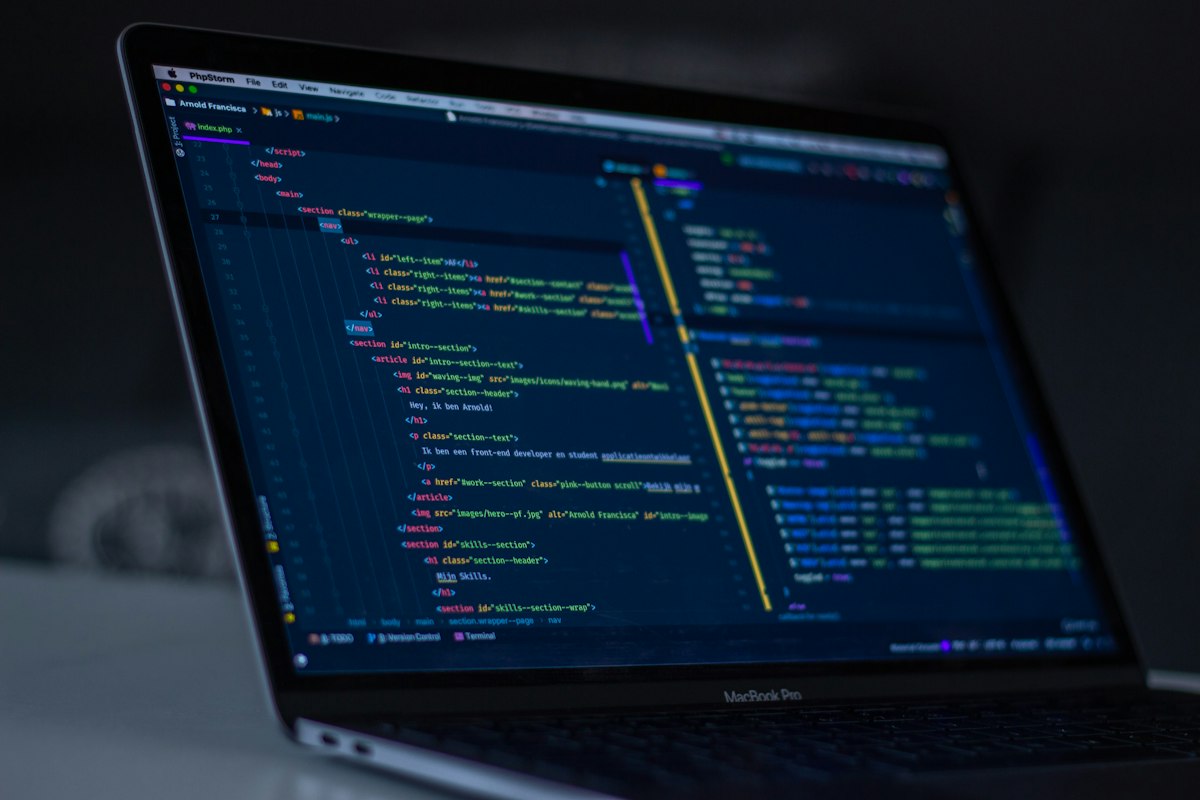
OpenAI has released a plugin that embeds its Codex coding assistant directly inside Anthropic's Claude Code environment. The product decision is technically straightforward. The strategic signal it carries is not.
For the past year, the AI developer tools market has settled around a emerging pattern: developers work inside a single orchestrating environment — Claude Code, Cursor, or GitHub Copilot — and use it to call other AI capabilities as needed. OpenAI's decision to build a Codex plugin for Claude Code rather than requiring developers to leave the Anthropic environment is a direct response to this pattern. Claude Code has accumulated enough developer gravity that OpenAI found it worth meeting users there.
What the Plugin Does
The Codex plugin surfaces OpenAI's code generation and reasoning capabilities within the Claude Code interface, allowing developers to route specific tasks — particularly those where OpenAI's model characteristics differ from Claude's — without leaving their primary environment. The integration follows the MCP (Model Context Protocol) specification that Anthropic open-sourced late last year, which has become the de facto standard for AI tool interoperability in developer contexts.
The practical workflow implication: developers who have standardized on Claude Code can now invoke Codex for specific tasks without context-switching. For OpenAI, this is distribution. For Claude Code users, it's optionality. For the market, it's a data point about which platform has become the default IDE layer in AI-native development workflows.
The Competitive Subtext
The move inverts the competitive logic that has governed AI developer tools since GitHub Copilot launched. The previous model assumed that AI coding assistants would compete for the primary interface — that developers would pick one and the winner would capture the workflow entirely. OpenAI is now operating on a different assumption: that the interface has already been decided for a significant portion of the developer market, and that distribution through the dominant environment is worth more than holding out for interface ownership.
This is how platform dynamics consolidate. Developer tooling has a version of this pattern in every major transition: when VS Code became dominant, the winning extension strategy was to build for VS Code, not to compete with it. OpenAI building for Claude Code is not a concession of defeat — it is a rational response to where the gravity has concentrated, combined with a bet that model capability will remain a meaningful differentiator even when the interface is someone else's.
What It Means for Enterprise AI Tooling
For enterprise engineering teams evaluating developer AI strategy, the plugin reflects a broader market shift: the question is no longer "which AI coding assistant should we deploy" but "which environment should we standardize on, and which model capabilities should we route to it." The MCP ecosystem is making the two questions separable in a way they weren't eighteen months ago.
The Codex plugin for Claude Code will not resolve the competition between OpenAI and Anthropic in developer tools. But it marks the point at which that competition shifted from interface capture to model differentiation within a shared interface layer — a structural change that will shape how AI developer tools are built and sold for years.