NVIDIA's Bet That AI Data Centers Can Stabilize — Not Just Strain — the Power Grid
At CERAWeek, NVIDIA and major energy companies outlined a vision for 'power-flexible AI factories' that modulate compute load dynamically to support grid stability — reframing AI's energy footprint from liability to potential grid asset.

D.O.T.S AI Newsroom
AI News Desk
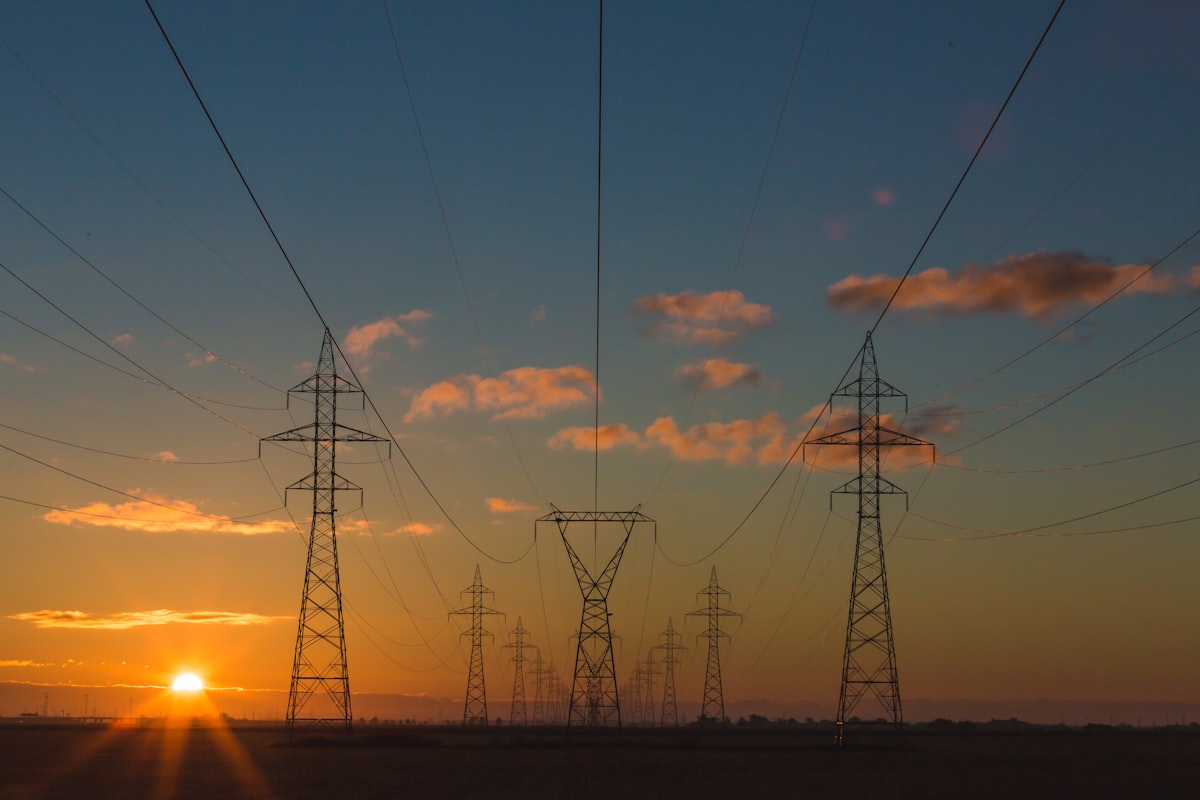
The conventional narrative around AI and energy is one of unrelenting demand: data centers consuming more electricity, driving up power prices, straining grids already under pressure from electrification and extreme weather. At CERAWeek — the annual energy sector gathering that draws policymakers, producers, and financiers to Houston — NVIDIA and several major energy companies presented a different framing: that AI infrastructure, if designed correctly, could actively support grid stability rather than simply consuming from it.
Power-Flexible AI Factories
The concept NVIDIA is advancing is what it calls the "power-flexible AI factory" — a data center architecture that can dynamically modulate its compute load in response to real-time grid conditions. During periods of excess renewable generation (peak solar output on a sunny afternoon, for instance), AI factories ramp up inference and training workloads to absorb the surplus. During periods of peak demand or grid stress, they throttle down, reducing strain at precisely the moments when it matters most.
This is not a hypothetical. The technical capability to do this exists: modern hyperscale data centers already use dynamic power capping to manage thermal and electrical constraints. The extension to grid-responsive operation requires coordination mechanisms between data center operators and grid operators — standardized signals, contractual frameworks, and software that can translate grid state into compute scheduling decisions in near-real time.
The Economics of Demand Flexibility
For the economics to work, AI operators need a financial incentive to participate in demand response programs. The energy market provides one: grid operators in many jurisdictions pay large industrial consumers to reduce load during demand spikes — a mechanism called demand response or interruptible service. For AI factories running non-time-sensitive workloads (pretraining runs that can pause and resume, batch inference that can delay), participating in these programs could offset a meaningful portion of energy costs.
NVIDIA's CERAWeek presentation argued that next-generation AI factories should be designed from the ground up for this flexibility rather than retrofitting it afterward. The company is engaging with energy regulators and grid operators to develop the standardized interfaces that would make power-flexible AI infrastructure interoperable with existing grid management systems.
Framing Matters
The political dimension of this reframing is significant. AI's energy consumption has become a contentious regulatory issue in Europe, the United States, and several Asian markets. Positioning AI data centers as potential grid assets — rather than pure grid liabilities — changes the regulatory calculus. It also aligns the AI industry's interests with those of renewable energy developers, who face curtailment problems (having to turn off solar and wind generation when the grid can't absorb it) that power-flexible demand could help solve.