EU Bans AI-Generated Content From Official Communications — A Policy Watershed for Institutional AI
The European Union has prohibited the use of AI-generated content in official institutional communications, according to Politico. The ruling creates a hard boundary between AI-assisted and AI-authored content in the world's most consequential regulatory environment for artificial intelligence — and sets a precedent that other jurisdictions are likely to study carefully.

D.O.T.S AI Newsroom
AI News Desk
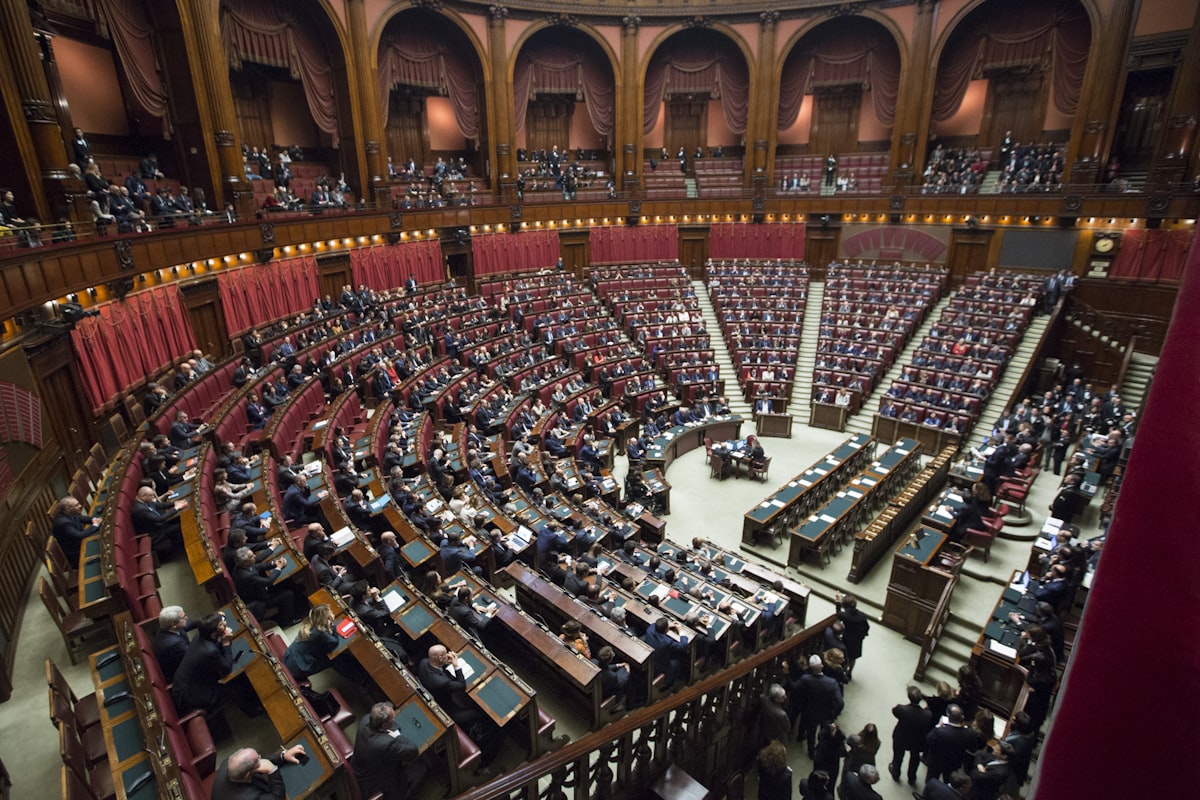
The European Union has moved to bar AI-generated content from official institutional communications, according to reporting by Politico. The decision — issued internally to EU institutions — marks one of the most concrete restrictions on AI-produced content by a major government body, and arrives as the EU AI Act begins the phased implementation that will reshape how AI systems are deployed across the bloc's 27 member states.
What the Ban Covers
The prohibition applies to content generated by AI systems for use in official EU institutional communications — formal statements, reports, press releases, legislative summaries, and related materials produced under the EU's institutional authority. The ban does not, based on current reporting, prohibit EU officials from using AI tools to assist with research, drafting, or editing; the restriction targets the output that is attributed to and published by the institution itself.
The practical boundary matters. AI-assisted communications — where a human writer uses AI to draft text that they then substantially revise, fact-check, and take responsibility for — appear to remain permissible. AI-authored communications, where the AI's output is the final product, are what the ban targets. This distinction mirrors the approach that academic institutions and major publishers have adopted in the past 18 months, though the EU applying it at the level of governmental communication carries considerably more symbolic and practical weight.
Why This Is a Policy Watershed
The significance extends beyond the operational impact on EU communications staff. The EU is simultaneously the world's most active regulator of artificial intelligence and, with this decision, the first major governmental body to formally prohibit AI-generated content in its own institutional voice. The combination creates an interesting dynamic: the EU is asserting that AI-generated content is insufficiently trustworthy or accountable for governmental use, while its AI Act legislation is designed to make AI systems trustworthy enough for deployment in critical societal applications.
The gap between these two positions — AI good enough to regulate but not good enough to speak for government — will be a productive tension for policy analysts and AI developers alike. It implicitly sets a capability bar: what would AI-generated content need to demonstrate, in terms of accuracy, accountability, and auditability, for the EU to reverse this restriction?
Implications for Enterprise and Government AI
EU institutions are a leading indicator for member state governments and large European enterprises that look to Brussels for regulatory signals. If the EU's own institutions won't use AI-generated content in official communications, it creates a visible reference point for procurement managers, communications directors, and legal teams across the European economy who are currently navigating where to draw their own boundaries. Expect similar internal policies to proliferate across European public sector bodies over the next 12 to 18 months.
For AI companies selling into the European public sector, the ban is a reminder that the hardest regulatory challenges are not always in the AI Act itself — they are in the institutional cultures forming around it.