Eli Lilly Bets $2.75 Billion on AI Drug Discovery in Landmark Insilico Medicine Deal
US pharmaceutical giant Eli Lilly has signed a $2.75 billion licensing and collaboration agreement with Insilico Medicine, the Hong Kong-listed AI drug discovery company, in one of the largest AI-pharma deals ever recorded. The agreement validates the commercial maturity of AI-driven drug design after years of proof-of-concept claims.

D.O.T.S AI Newsroom
AI News Desk
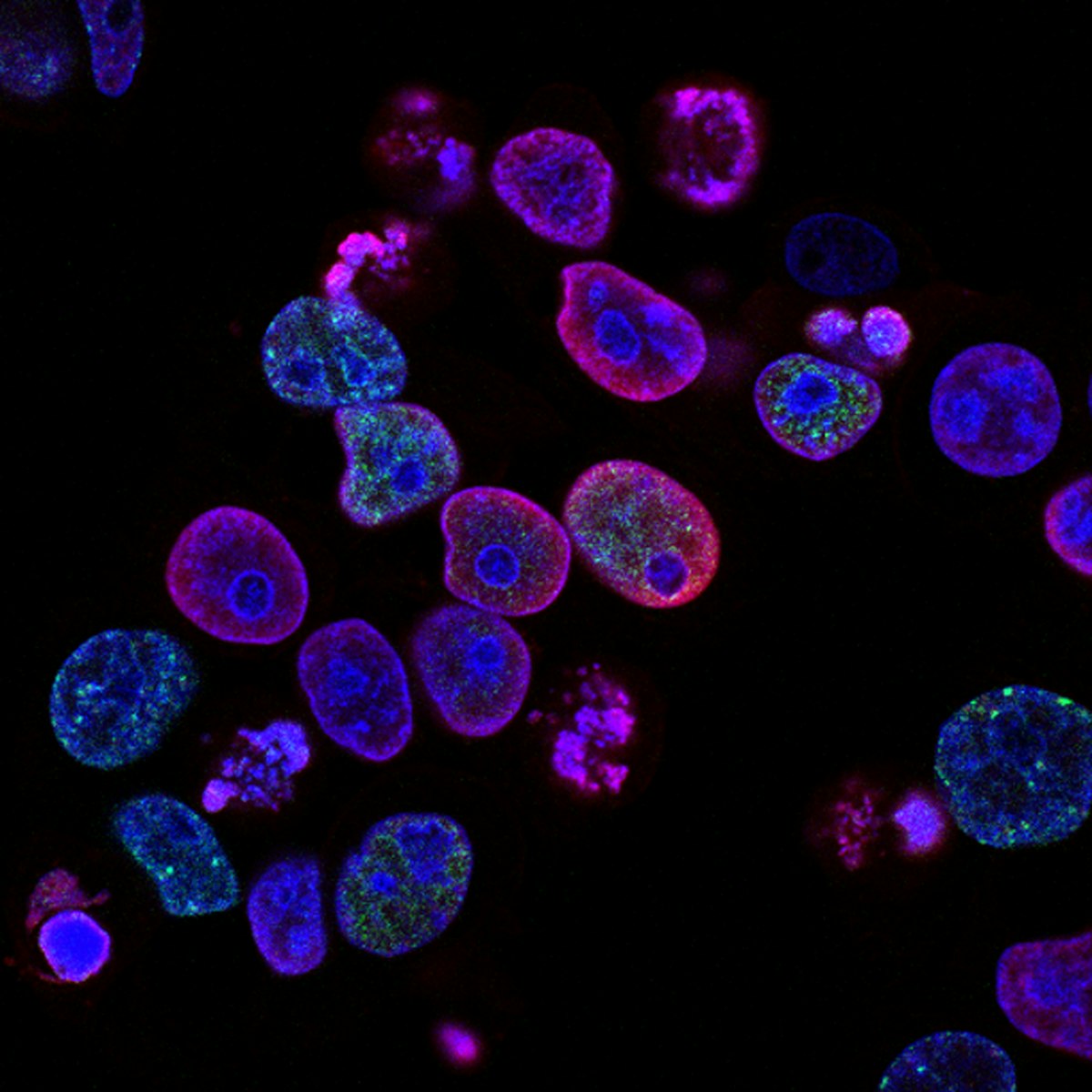
US pharmaceutical giant Eli Lilly has entered into a $2.75 billion licensing and collaboration agreement with Insilico Medicine, the Hong Kong-listed AI drug discovery company — a deal that stands among the largest AI-pharma transactions in the industry's history and signals that major pharmaceutical companies are moving from cautious AI experimentation to large-scale strategic commitment.
The agreement covers the development of novel drug candidates identified by Insilico's AI platform, which uses generative AI and reinforcement learning to design molecules targeting specific biological pathways. Financial terms include upfront payments, development milestones, and royalties structured around clinical and regulatory outcomes — a typical structure for pharma licensing deals, but applied here at a scale that reflects genuine confidence in AI's ability to produce commercially viable drug candidates.
Insilico Medicine's Differentiated Position
Insilico Medicine has spent nearly a decade building what it describes as an end-to-end AI drug discovery platform — covering target identification, molecular generation, and preclinical validation within a single computational pipeline. The company's most visible milestone to date was advancing an AI-generated drug candidate for idiopathic pulmonary fibrosis (IPF) into Phase II clinical trials in 2023, demonstrating that AI-designed molecules could survive the rigorous attrition of early clinical development.
That clinical data point appears to have been central to attracting Eli Lilly's interest. Pharmaceutical companies have seen hundreds of AI drug discovery pitches over the past decade. What separates credible platform companies from concept-stage ventures is clinical evidence — molecules that were designed by AI and have been shown to work in human trials. Insilico's IPF programme provided precisely that evidence base.
What This Deal Signals for the Industry
The $2.75 billion headline is significant beyond its size. Eli Lilly is not a company known for speculative bets — it is a deeply conservative organisation that validates its investments through rigorous scientific review. A deal of this magnitude, structured around AI-generated drug candidates, represents an institutional endorsement of AI drug discovery that the sector has been waiting years to see from a top-five pharma company.
The deal also has implications for how AI drug discovery companies are valued and financed. Previous large AI-pharma partnerships — including deals between Exscientia and Sanofi, and Recursion and Roche — established that major pharma would pay for AI discovery capabilities. The Lilly-Insilico deal pushes that price point significantly higher, raising the ceiling for what AI platform companies can credibly ask for in future transactions.
The Broader Healthcare AI Moment
This agreement arrives as AI's footprint in drug development is expanding rapidly across the value chain — from target identification (where AlphaFold3 has already transformed structural biology) to clinical trial design, patient stratification, and drug repurposing. Eli Lilly's commitment suggests the pharmaceutical industry has moved past the question of whether AI will matter and is now competing on who can best harness it at scale.