Anthropic Launches AnthroPAC, Entering the Political Arena Ahead of the Midterms
Anthropic has formed AnthroPAC, a political action committee designed to support candidates who align with the company's AI policy agenda. The move marks a significant shift from Anthropic's historically apolitical public posture and positions the company as a direct participant in shaping AI legislation before the 2026 midterm elections.

D.O.T.S AI Newsroom
AI News Desk
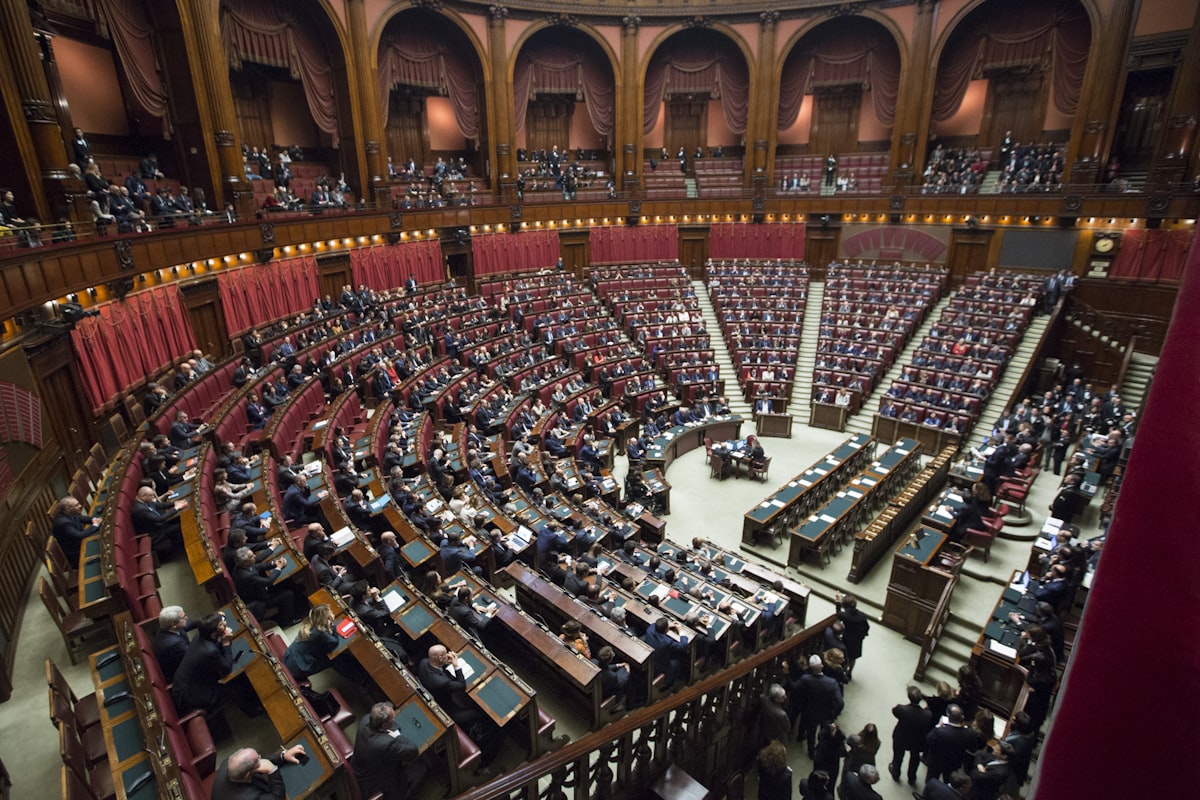
Anthropic has taken a step that would have seemed out of character twelve months ago: the company has formed AnthroPAC, a political action committee that will back candidates ahead of the 2026 midterm elections. The PAC's stated mandate is to support legislators who share Anthropic's approach to AI policy — a formulation that is simultaneously more specific than most tech industry political activity and less specific than a clear policy platform.
The timing is not accidental. The midterms arrive at a moment when AI legislation is more active in Congress than at any previous point, with bills covering everything from liability frameworks to compute access restrictions to mandatory safety evaluations for frontier models. Anthropic's willingness to engage in direct political spending signals that the company has concluded that the legislative environment will significantly shape its competitive landscape and that passive advocacy — white papers, Congressional testimony, roundtable participation — is insufficient.
What AnthroPAC Is Implicitly Saying
The formation of a PAC is a statement about political theory as much as it is about policy. Companies form PACs when they believe that electoral outcomes are causally connected to their regulatory environment — that the composition of Congress matters for the rules they'll operate under. Anthropic's decision to enter that arena is an implicit acknowledgment that the company cannot count on winning policy debates on the merits alone and that political relationships and electoral investment are now part of the competitive toolkit.
This is not unusual for a technology company at Anthropic's scale and influence — it is, in fact, the norm. What is notable is the contrast with Anthropic's public identity as a safety-focused, long-termist AI lab. PAC politics operates on two-year electoral cycles and transactional candidate relationships; AI safety operates on decade-scale horizons. The tension between these time scales is real, and how Anthropic navigates it will be one of the more closely watched aspects of AnthroPAC's activity.
The Competitive Landscape of AI Political Spending
Anthropic is not the first AI company to engage in political spending — OpenAI has been involved in policy advocacy, and Google and Microsoft have well-established government affairs operations that include PAC activity. But the formation of a named, Anthropic-branded PAC raises the visibility of the company's political engagement in a way that could cut in multiple directions: building legislative relationships on one hand, and inviting scrutiny of the company's policy positions and political spending on the other.
The candidates AnthroPAC chooses to support — and the votes and policy positions it treats as relevant criteria — will be the most informative signal about what Anthropic actually wants from the legislative environment. Watch where the money goes.